LIND ID: hochier / WeChat: hochier
(Drilling Technology Notes) Rough Drilling vs. Precision Drilling: A Complete Analysis of the Differences, Applications, and Precision Comparison of the Two Drilling Processes
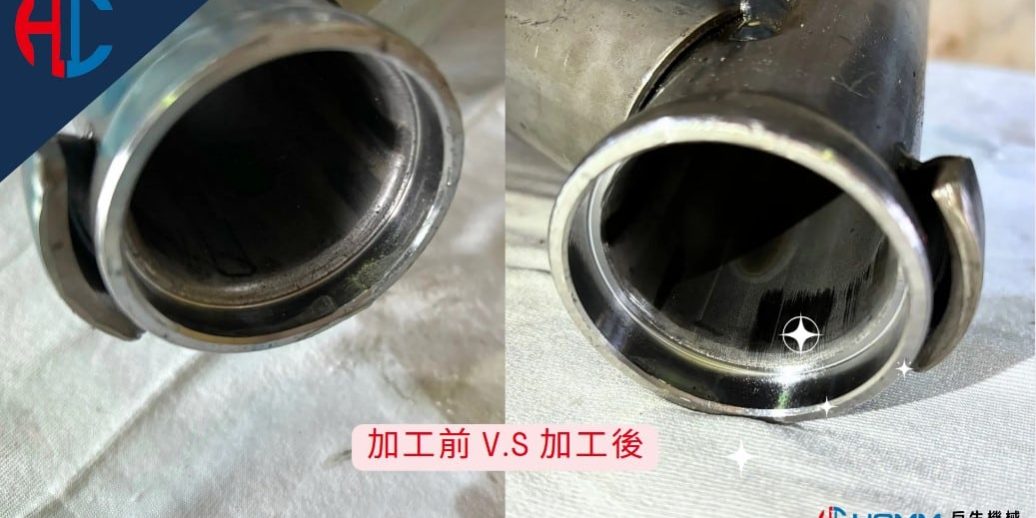
Technical Application - Double-hole application
Industry - Two-wheeled vehicles - Motorcycles
You knowWhat is the real difference between rough boring and fine boring?
Although both processing methods target internal holes, they have a clear division of labor in the manufacturing process: one is used to quickly remove material and shape the initial hole diameter.One is used forImprove dimensional accuracy and surface quality.
Rough boring is like laying the foundation for a building, quickly, efficiently, and accurately laying the groundwork for the next process.
Precision reaming, on the other hand, involves a skilled sculptor precisely polishing the inner hole to the required dimensions and finish.
This dual processing flow is widely used inHigh-precision parts such as car steering seats, motorcycle head tubes, and bicycle bottom brackets.Above, ensure that the product is used properly.Stable structure, safe and durable.
Rough Boring and Fine BoringThese are two processing methods, although both aim to machine the hole diameter, but their...Processing purpose, precision requirements and application areasThey are different.
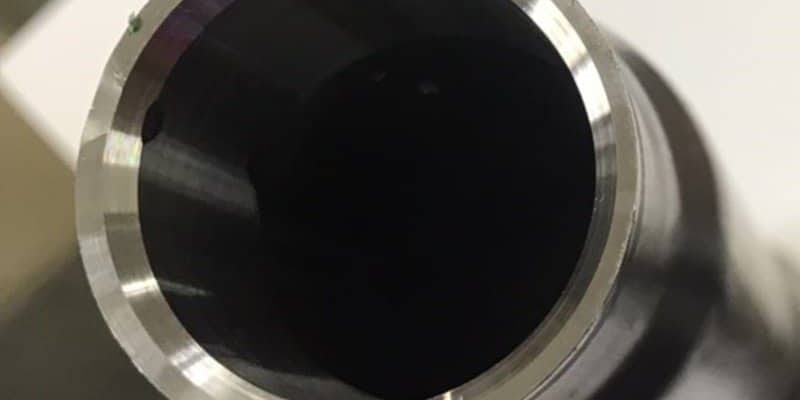
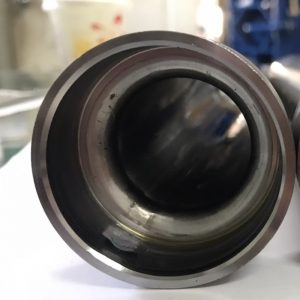
Comparison of coarse boring and precision boring
| project | Rough Boring | Fine Boring |
| Processing purpose | A large amount of material is removed to initially form the pore size. | Improve the dimensional accuracy and surface finish of the holes |
| Accuracy | medium accuracy | High precision |
| Surface roughness | rough | smooth |
| Tool characteristics | Use more durable knives | Use high-precision cutting tools |
| Processing speed | Rapid material removal with a large feed rate | Slow speed, small feed rate |
| Main processing parameters | High depth of cut, low feed | Low depth of cut, high feed |
| Processing requirements | Leave an appropriate margin for subsequent finishing. | To meet final size requirements |
Rough Boring
Rough boring is the first cutting process performed inside a hole in a workpiece (such as a pipe, casting, forging, or weldment).
- effectIt is mainly used to quickly remove large amounts of excess metal and correct hole deformation or dimensional deviation caused by welding or heat treatment. It provides a hole shape that is more standard and whose dimensions are close to the final requirements for subsequent finishing.
- Application scenariosAfter welding, the head tube of a motorcycle frame is first rough-bored to correct deformation and ensure the initial straightness of the hole positions.
Fine Boring
Precision boring is the final process performed after rough boring.
- effectUsing precision cutting tools and smaller cutting parameters (shallow depth of cut, slow feed), the hole diameter is machined to the final precise dimensions and tolerances required by the design drawings. At the same time, it significantly improves the surface finish, roundness, and concentricity of the hole wall.
- Application scenariosEnsure that the hole position of the front tube meets the H7 precision tolerance to smoothly install the steering bearing (commonly known as the center bar bearing) and ensure flexible and stable steering.